
Why Graphite Electrodes Crack
Quick Answer: Why do graphite electrodes crack?
Graphite electrodes crack primarily due to rapid thermal shock, mechanical impacts from shifting materials, improper torque or joint threading, and localized electrical stress. Micro-fractures form when internal expansion stresses or physical forces exceed the material’s flexural strength.
A high-performance graphite electrode is engineered to withstand extreme temperatures, severe mechanical forces, and heavy electrical loads across electric arc furnaces (EAF), ladle metallurgy, and electrical discharge machining (EDM). However, electrode fractures and structural cracking remain persistent challenges in heavy industrial processing. Understanding the core drivers behind these failures allows operations to prevent costly furnace downtime, scrap loss, and premature component turnover.
Thermal Shock and Temperature Gradients
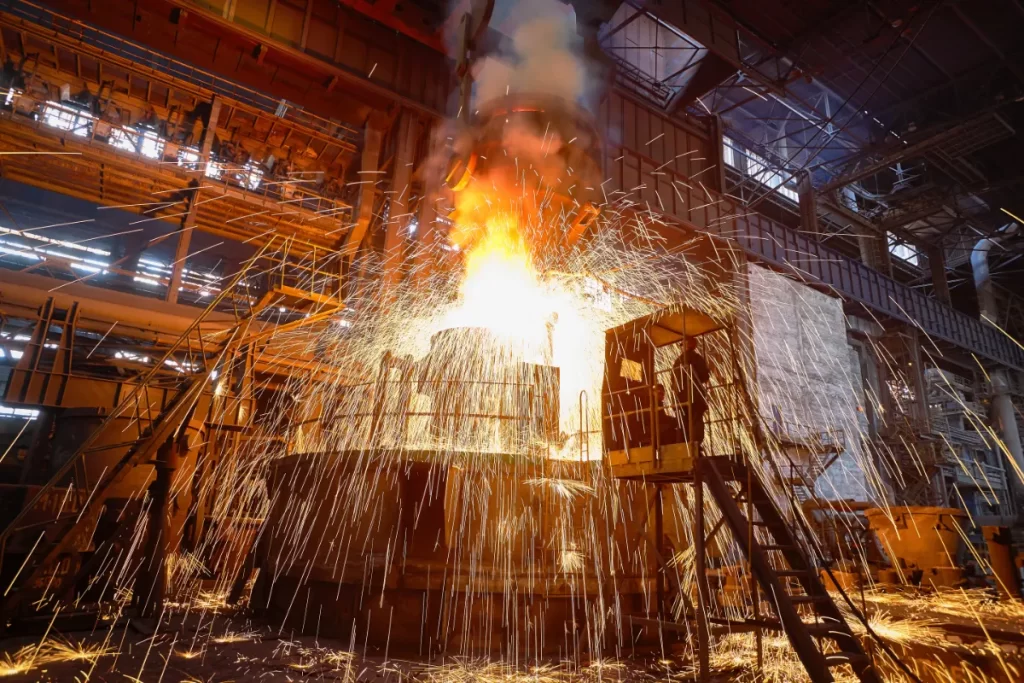
During furnace arcing, an electrode experiences immediate, massive shifts in temperature, cycling from ambient air to thousands of degrees within minutes. While synthetic graphite features a low coefficient of thermal expansion, severe radial and axial temperature gradients generate intense internal tension. If the material cannot dissipate heat uniformly, thermal stress exceeds the tensile threshold, resulting in longitudinal body splits or spalling at the tip. Selecting the proper grade with balanced graphite properties—such as optimal bulk density, fine grain structure, and high thermal conductivity—is essential to absorbing these rapid thermal swings.
Mechanical Stress, Shifting Loads, and Joint Misalignment
Electrodes must endure substantial physical forces inside the melt shop. The primary mechanical causes of cracking include:
- Scrap Cave-Ins: Falling scrap metal or shifting bridges inside a furnace can strike the electrode column, snapping or micro-fracturing the carbon matrix.
- Improper Joint Make-Up: The connection between the electrode socket and the connecting pin (nipple) concentrates mechanical and electrical stress. Over-tightening causes thread stripping and hoop-stress cracking, while under-tightening leads to arcing and thread burnout.
- Handling and Clamping Impact: Uncushioned steel clamps or rough handling during transit can induce micro-cracks before the unit is even loaded into service. Integrating protective urethane contact pads or custom cast liners into handling equipment dampens vibrations and protects brittle carbon surfaces from impact damage.
Machining Tolerances and Material Flaws
Precision in machining graphite directly dictates structural integrity. Substandard tooling, improper feed rates, or poor thread geometry introduce surface micro-cracks and stress risers. Working with experienced graphite machining services ensures that socket and pin threading adhere to tight NEMA tolerances, allowing mechanical and electrical loads to distribute evenly throughout the entire assembly.
Frequently Asked Questions
Accurate CNC graphite machining guarantees that socket threads and tapered pins match exact geometric profiles. This tight fit prevents gap formation, avoids localized hotspots, and ensures even current transfer across the joint.
Industrial facilities use cast urethane bumpers, rollers, and crane saddle liners to cradle delicate graphite components. Urethane provides superior abrasion resistance and shock absorption, shielding brittle edges from handling damage prior to installation.
Yes. Professional reclaiming and graphite machining services can re-thread broken columns, recut damaged sockets, or re-machine damaged electrodes into custom graphite parts, reducing raw material waste and operational costs.
Elevated electrical resistivity generates excessive internal Joule heating. When current concentrates in higher-resistance sections or poorly machined contact points, the localized heat creates sharp thermal gradients that fracture the carbon structure.
Partnering with Weaver Industries for Dependable Graphite Machining and Durability
Preventing electrode failure requires combining premium raw materials, meticulous handling, and exacting manufacturing standards. Weaver Industries delivers end-to-end solutions for high-stress thermal and electrical applications, specializing in tight-tolerance graphite machining, custom graphite parts, sustainable electrode recycling, and custom cast urethane manufacturing. Partnering with seasoned carbon specialists ensures your components withstand the toughest operational demands with maximum uptime.